On the 8th anniversary of Sudanese President al-Bashir’s arrest warrant, we at Darfur Women Action Group (DWAG) would like to express our grave concern regarding the continued impunity that the president enjoys. Despite the fact that the International Criminal Court (ICC) has charged President al-Bashir with committing genocide, war crimes and crimes against humanity, many countries have failed to cooperate with the ICC in holding him and other Sudanese leaders responsible for these heinous crimes.
We had hoped that justice would be forthcoming, if not through the ICC then through other forms. Instead, we have observed the United States improve relations with Sudan, even lifting economic sanctions that have been in place since the 1990s. At the same time, the European Union recently joined Sudan in creating an initiative that bars refugees from entering Europe. By allowing the Sudanese regime to get away with its crimes with impunity, the United States and the European Union not only undermine the ICC, but also embolden President al-Bashir and other war criminals who feel entitled to ignore (and even deny) the applicability of customary international law, including the Geneva Conventions, the Convention on the Prevention and Punishment of the Crime of Genocide, and the Universal Declaration of Human Rights (UDHR).
The international community has repeatedly failed to impose consequences for President al-Bashir’s atrocities and has allowed the government of Sudan to continue its crimes in Darfur and throughout Sudan with impunity, betraying the people of Sudan who face violence every day.
ON THE ANNIVERSARY OF HIS INDICTMENT, LET US NOT FORGET:
THE CRIMES
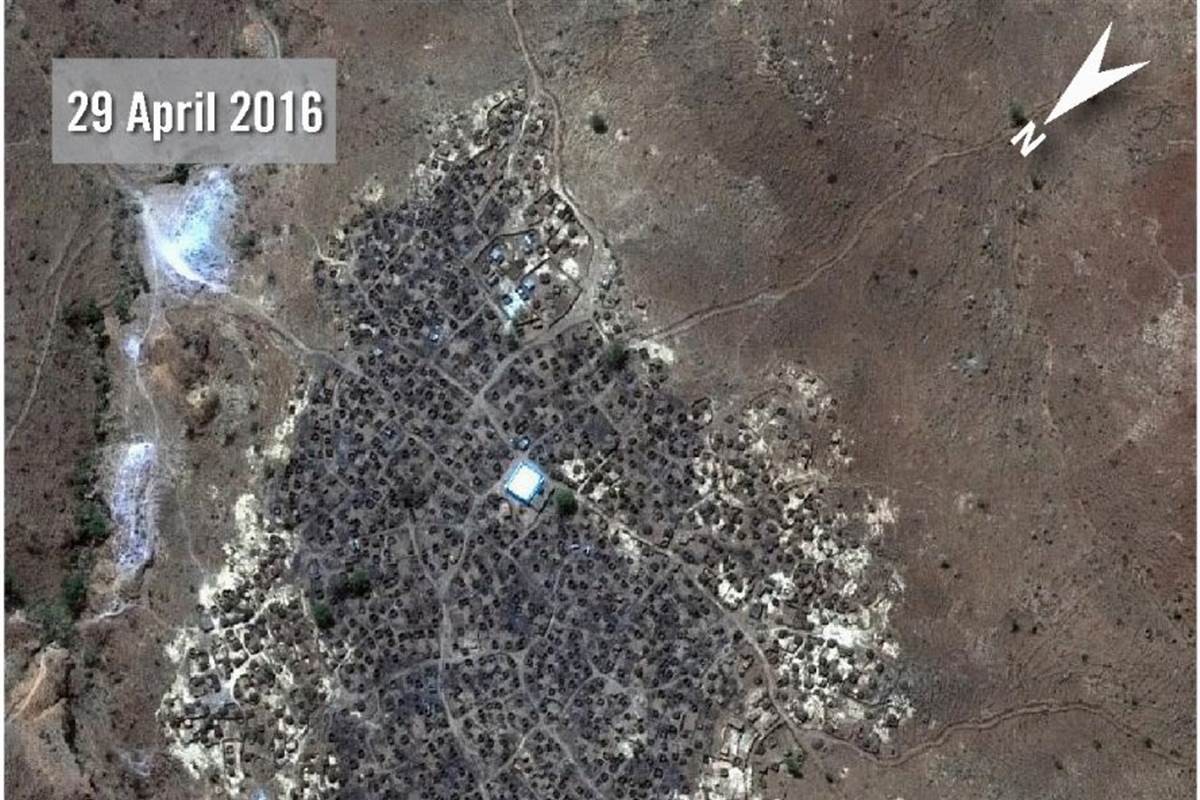
President al-Bashir stands accused of the world’s most heinous crimes—genocide, war crimes and crimes against humanity. The president launched the genocide in Darfur more than 13 years ago, by ordering the Sudanese Armed Forces and allied Janjaweed militias to carry out a scorched-earth campaign against the civilian population.
Since then, more than 300,000 people have been reported killed and thousands of villages have been destroyed. Rape has been systematically used as a weapon of war, and girls and women are attacked on a daily basis. Human rights defenders such as lawyers, journalists, and students are regularly arrested, tortured, and/or killed in custody.
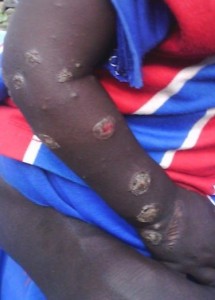
To date, the Sudanese Government continues to carry out or sponsor violent attacks against innocent civilians in Darfur – including a recent massacre in Nertiti City that left 13 people dead and 60 people wounded. We are also deeply troubled that there have been allegations of the use of chemical weapons which still have not been investigated by the United Nations (UN).
DETERIORATING HUMANITARIAN CONDITIONS
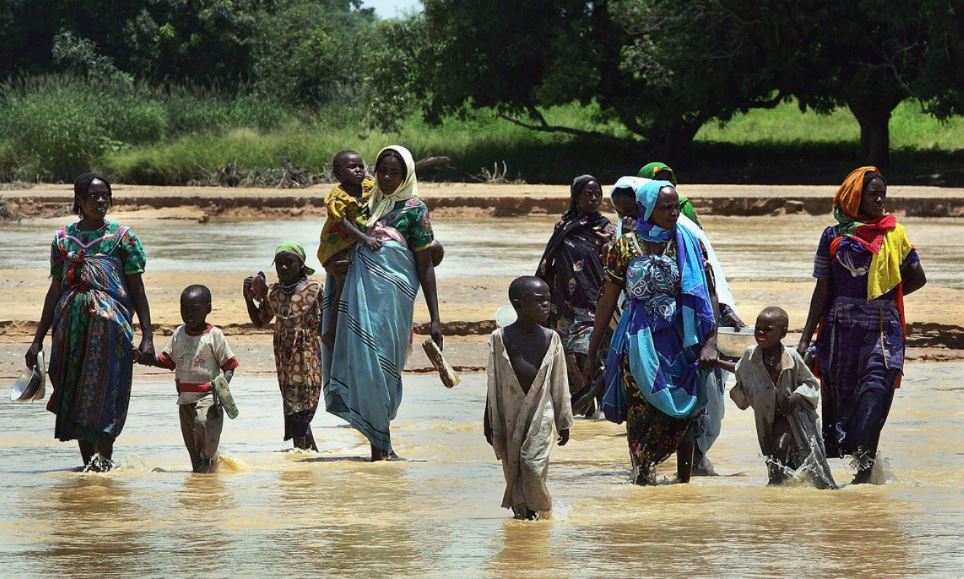
In 2009, after learning of the ICC arrest warrant against him, President al-Bashir retaliated. The Sudanese President forced 13 international NGOs to leave Sudan and shut down three national organizations that provided lifesaving assistance for internally displaced people (IDPs) in Darfur. As a result, humanitarian conditions severely deteriorated and IDPs were subjected to starvation, diseases, water shortages, and acute malnutrition. To this day, conditions have not improved. Over 3 million Darfuris remain displaced and are unable to return home, in part because foreigners have occupied most of their lands.
EIGHT YEARS OF IMPUNITY MUST END
March 4, 2017, marks the 8th anniversary of the ICC arrest warrant against President al-Bashir. During this time, we have seen some ICC state parties demonstrate a strong commitment to justice by restricting al-Bashir’s ability to travel freely around the world.
Other countries, however, have consistently failed to hold the president accountable. China, a United Nations Security Council member, welcomed President al-Bashir for a state visit in 2011. Other ICC members, such as Chad, South Africa, the Democratic Republic of the Congo, Djibouti and Nigeria, have greeted and hosted the president. Among the countries that are not ICC members but have also welcomed Bashir are Egypt, Eritrea, Ethiopia, Iran, Iraq, Kuwait, Libya, Morocco, Qatar, Saudi Arabia and South Sudan.
The failure to hold President al-Bashir accountable not only has devastating effects inside Sudan, but sends the wrong message to leaders like Syrian President Assad and others who are perpetrating extreme violence throughout the world. It supports their ability to continue killing their own people with total impunity.
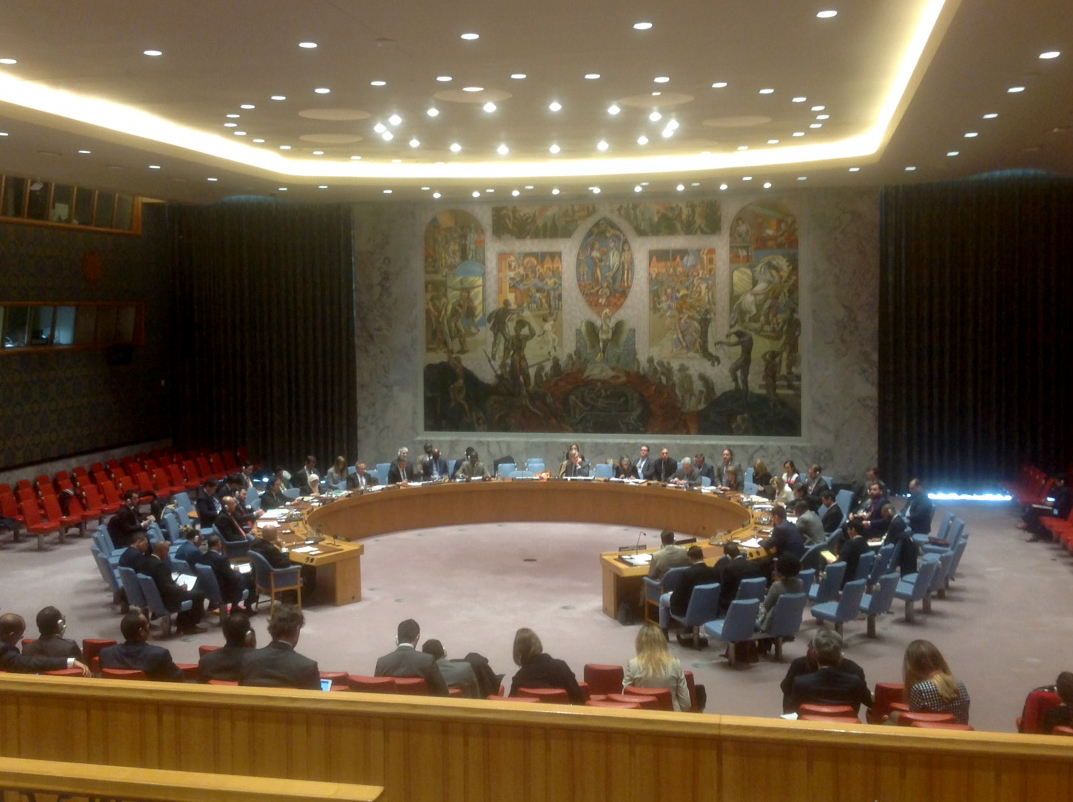
If not in the name of the Security Council resolutions which referred the matter to the ICC; if not in the name of the Rome Statute, then in the name of the Geneva Conventions binding on all States, we urge all members of the United Nations Security Council (UNSC) and the States parties to the Rome Statute to stand for justice and make this year the last anniversary of President al-Bashir‘s impunity.
We demand that Member States of the United Nations, and especially members of the Security Council and the Rome Statute, abide by the obligations deriving from the ICC arrest warrants against President al-Bashir and other Sudanese leaders. They will get far more justice in The Hague than their victims have gotten. To our African brothers an sisters, we recall that the African Charter on Human and Peoples Rights clearly articulates and obligates African Union’s members to promote justice, rule of law and human dignity at home and internationally. To our Muslim brothers and sisters, we recall that Islam prohibits attacks on civilians especially the rape of innocent women and girls.
We urge western countries to consider withholding military and/or economic aid (with the exception of humanitarian aid) from countries that allow President al-Bashir to enter into their territory without being arrested. The United Nations (UN) should also seriously consider adopting new mechanisms to allow the enforcement of ICC arrest warrants on any areas administered by the UN, including its headquarters.
It is imperative that the international community makes it clear to President al-Bashir and all perpetrators of genocide, war crimes, and crimes against humanity, that their impunity will not be tolerated for another year.
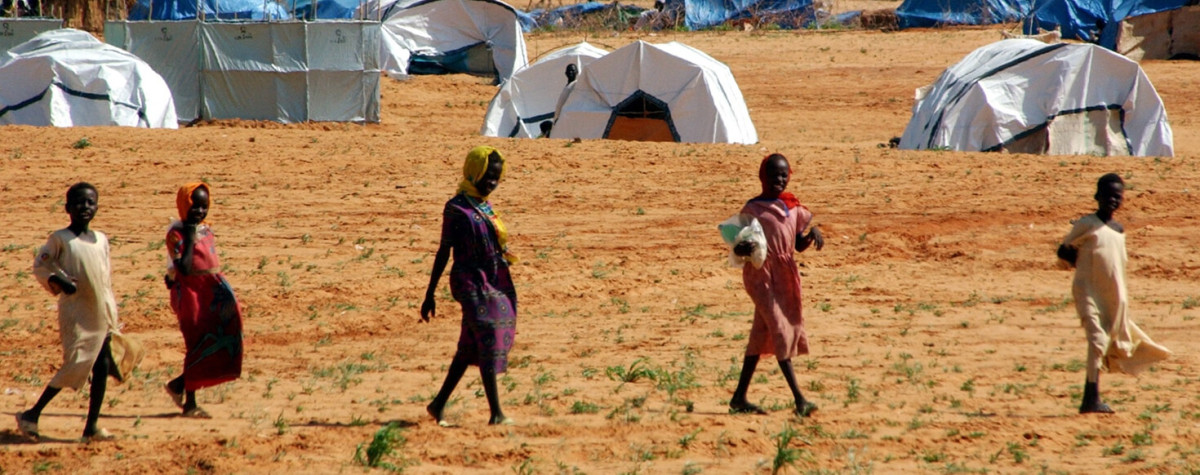
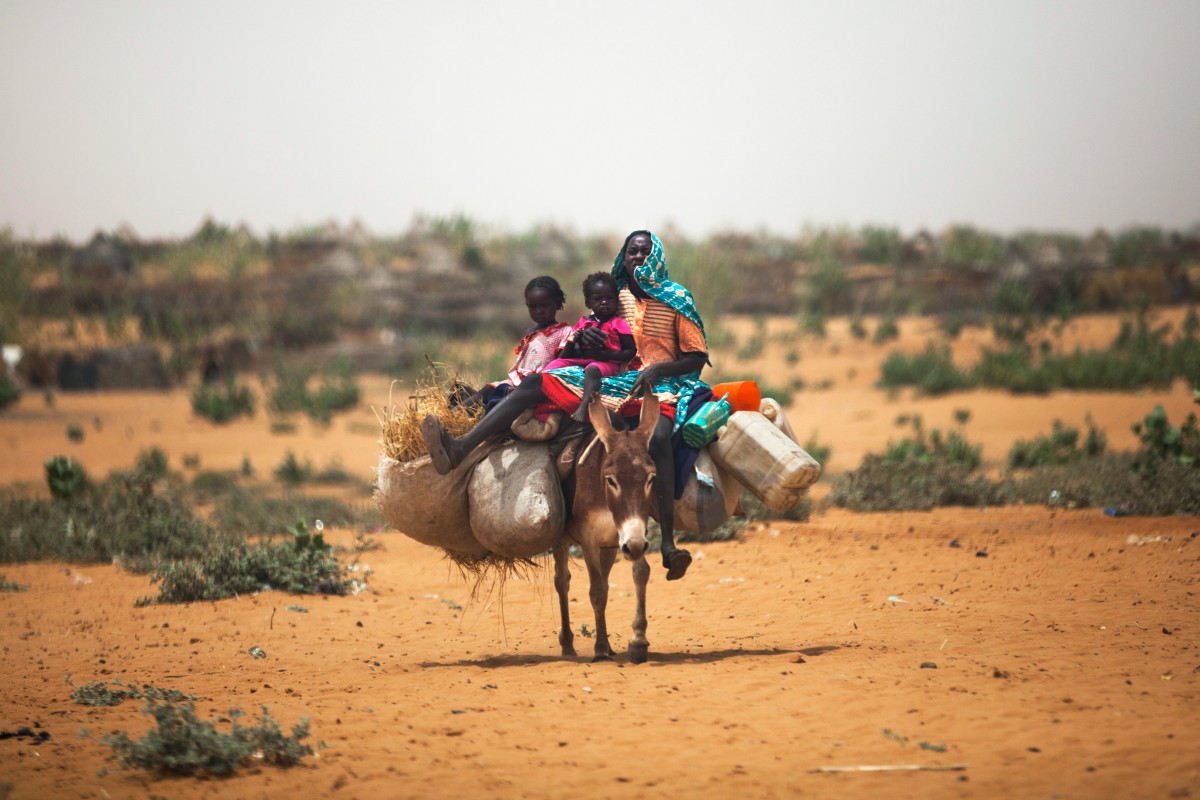
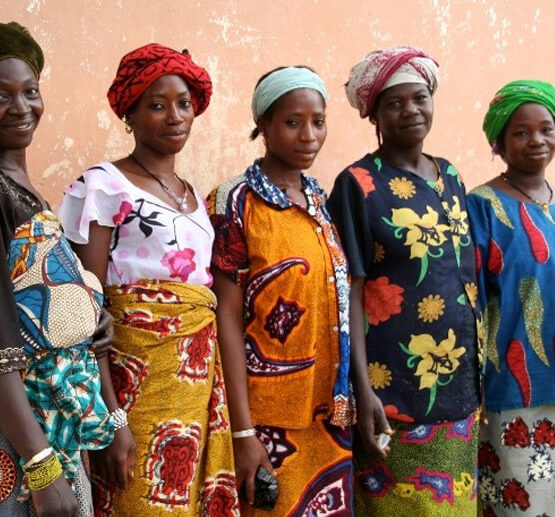
 Our new home was a dry desert with very few trees. It was windy and dusty. Many people felt sick and there was no medicine. We had to improvise in order to survive. We walked took daily walks to a nearby forest, where we gathered wood to make food and straws to use as clothes and sheets. It was much later when the humanitarian organization International Rescue Committee came to us offering basic aid such as food and health assistance. Even then we felt lost and helpless. We had lost everything.
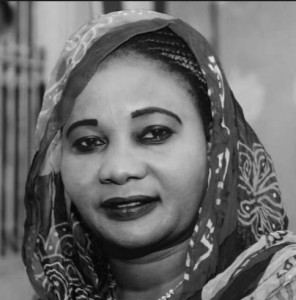 “I was born in Kurdufan, an area in Western Sudan. My family is from Darfur and still live there, so I consider myself to be a Darfuri as well. As a child, I used to enjoy watching movies on television, particularly the ones that had female characters that were journalists. They seemed so empowered and independent – everything that I wanted to become someday. As a teenager, I began imitating those characters by writing for school magazines and newspapers. I eventually went to college to study journalism. In 2001, I graduated and started working for a local newspaper in the capital of Sudan.
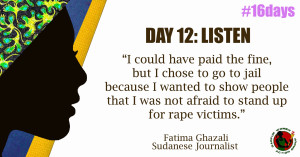 also took me to court and unjustly charged me with the crime of “publishing false news”. A Sudanese court tried my case and ruled that I was guilty. A judge sentenced me to one month in jail, unless I paid a fine of 2,000 Sudanese pounds (US$ 300). Five other journalists were accused of the same crime at the time, but were released. Another female journalist was sentenced along with me, but she filed an appeal and was also released. I believe that I was particularly targeted because I have roots in Darfur – and the government does not look kindly on Darfuris.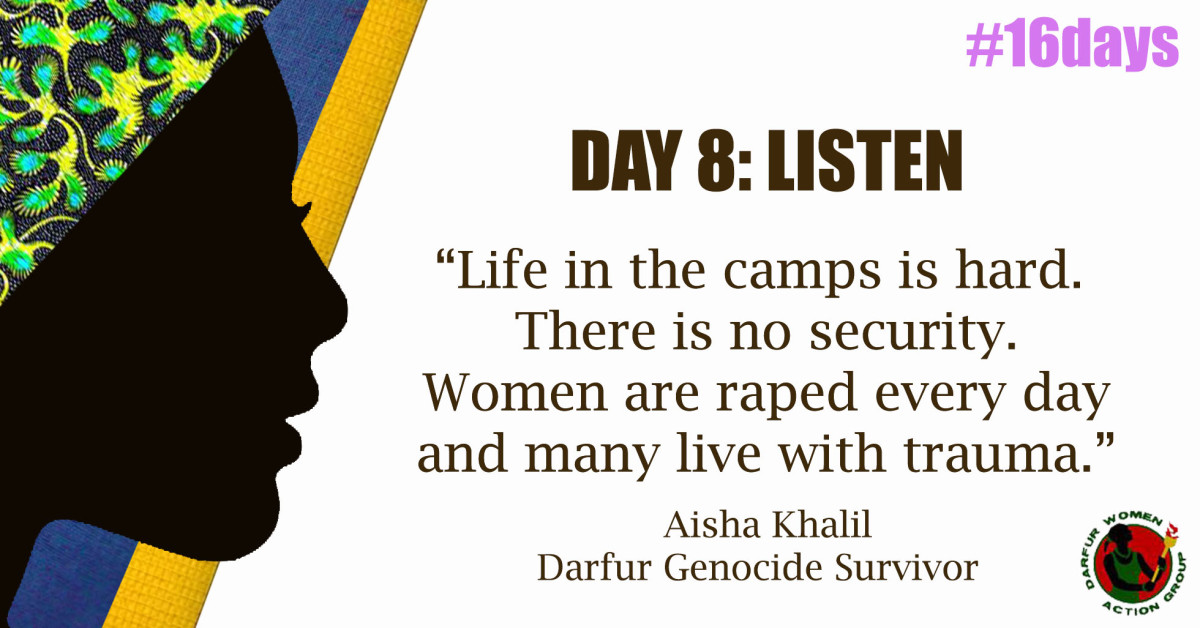
 We kept running for most of the night. A few hours before dawn, someone in our group said that we should stop, find a place away from the road and get some sleep. I was very thirsty, but luckily a woman who looked just like my mother had a gallon of water that she had been carrying on her back. She gave each one of us a sip of water – but just a little, because there was a long road ahead of us and the water had to last. People started counting their family members, and I found that my youngest sister and brother were missing. I cried, and decided that I could not go ahead without them. I wanted to go back to the village to find them. But others in the group convinced me that there was no one left in the village, and that when we reached the city I would be reunited with my family.