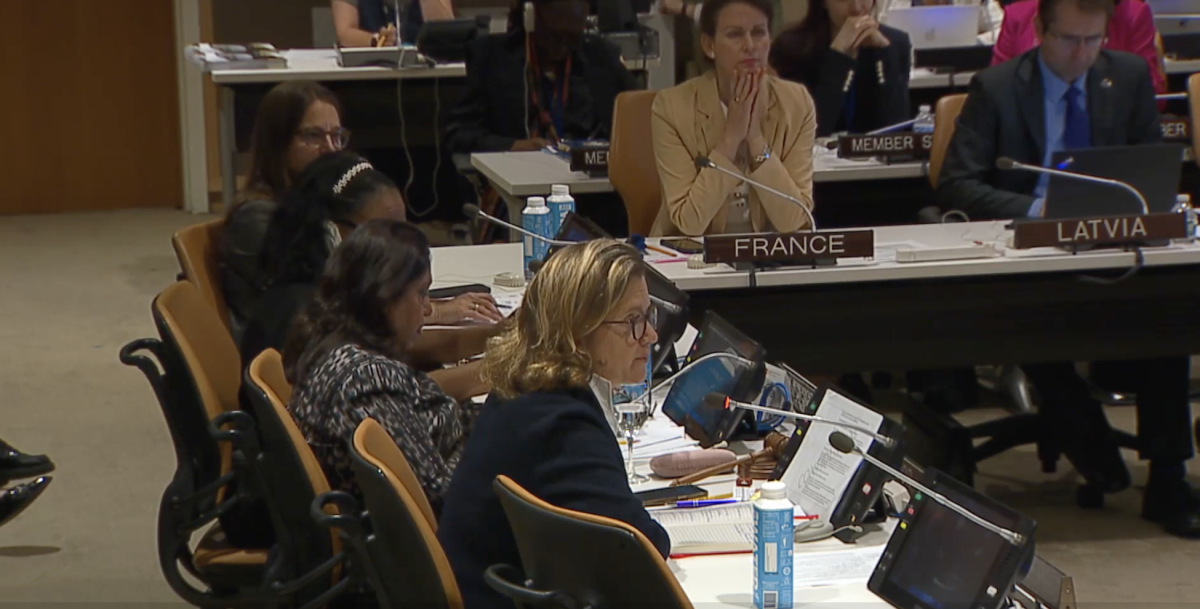
Reflections on the July 7 High-Level Panel on Conflict-Related Sexual Violence and Trafficking


7 July 2026

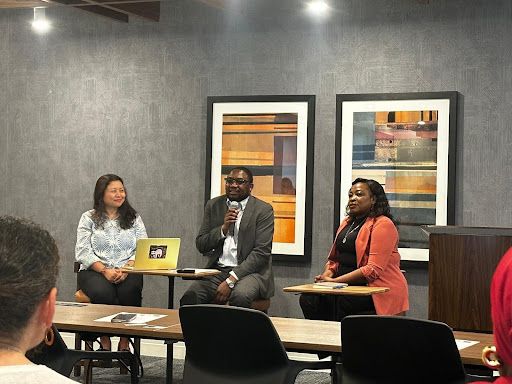
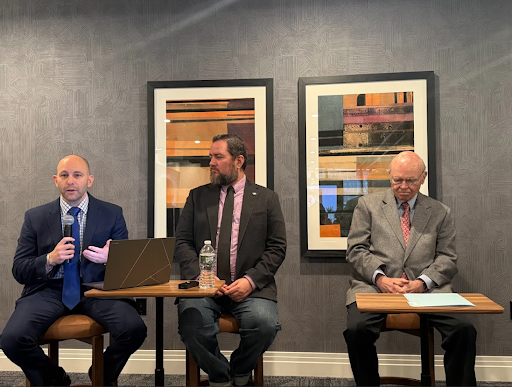
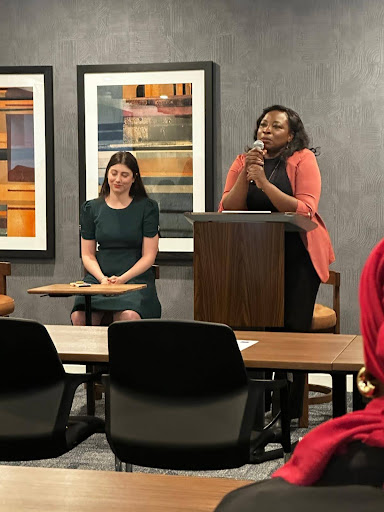
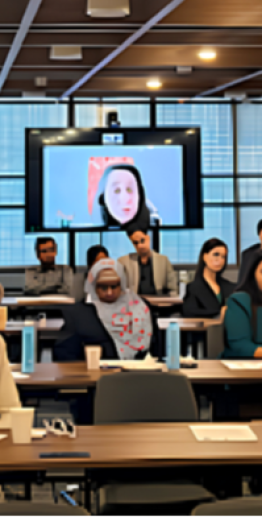
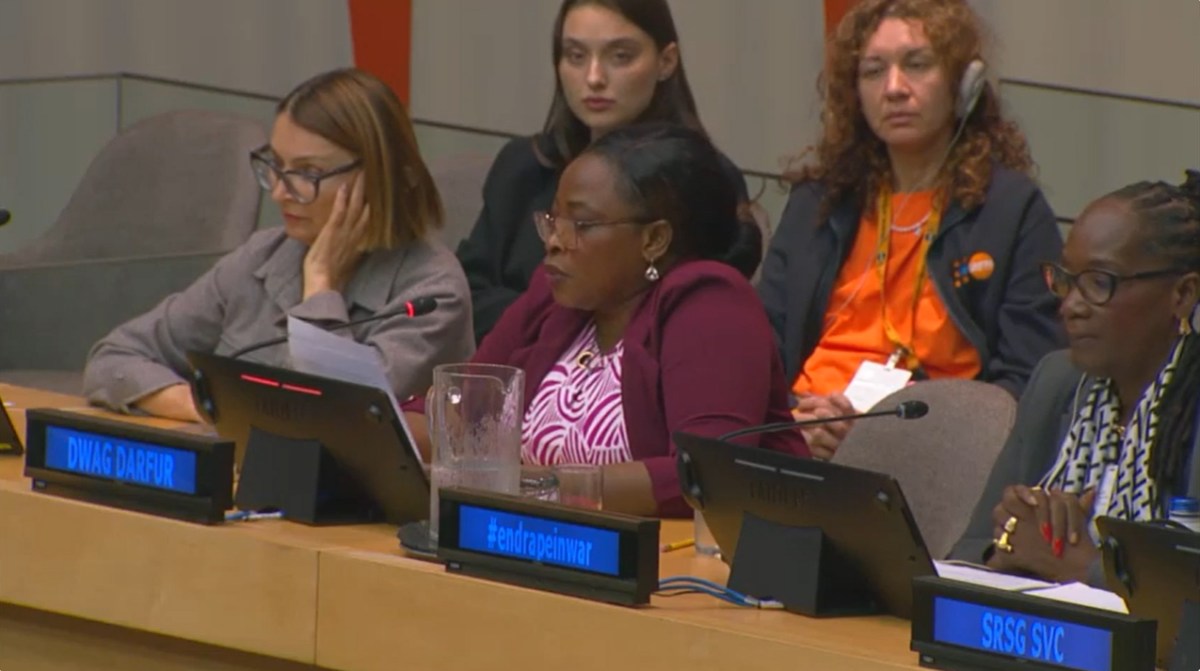
On Tuesday, 7 July 2026, ahead of the United Nations Security Council open debate on conflict-related sexual violence (CRSV), trafficking, and terrorism against women, the UN Office of the Special Representative of the Secretary-General on Sexual Violence in Conflict hosted a high-level side event. DWAG Founder and President Niemat Ahmadi joined a panel of distinguished experts, speakers and states representatives at the United Nations Headquarters, titled “Combatting Trafficking for the Purposes of Sexual Exploitation by Armed and Terrorist Groups: Closing Information Gaps and Strengthening Cooperation to Promote Accountability for Survivors.” The event was convened ten years after the adoption of UNSCR 2331 – the Security Council’s first resolution explicitly acknowledging the systemic nature of conflict-related sexual violence, trafficking, and terrorism against women and girls.


Sudan at the Forefront of Conflict-Related Sexual Violence & Trafficking

CRSV and trafficking impacts conflict-ridden communities all over the world; after nearly four years, the conflict in Sudan represents the worst of these impacts. Trafficking and CRSV do not cease at borders, nor do they cease within. Across Darfur, Kordofan, and greater Sudan, women and children face sexual exploitation and violence daily. Survivors who have escaped and those who remain victim have described their experiences of mass rape, gang rape, sexual slavery, forced marriage, and trafficking.

In the Rapid Support Forces (RSF)-controlled cities of Nyala and El Geneina, women are being forced into sexual slavery and exchanged internally by the RSF soldiers. Reports have documented over 19,000 individuals being detained in Nyala alone, with the majority being women and girls captured for the purposes of sexual exploitation. Subsequently, seven participants of various civil advocacy groups were abducted in Nyala after leaving a workshop focused on women’s rights. Their whereabouts remain unknown. The number of abductions recorded increased dramatically after the fall of El Fasher, but both independent and UN-commissioned fact-finding missions have failed to adequately document the number of victims and experiences of women being held in captivity. Documentation is the means of action, and it must be used to guarantee freedom for the women who remain subjected to unlawful detention and sexual abuse.

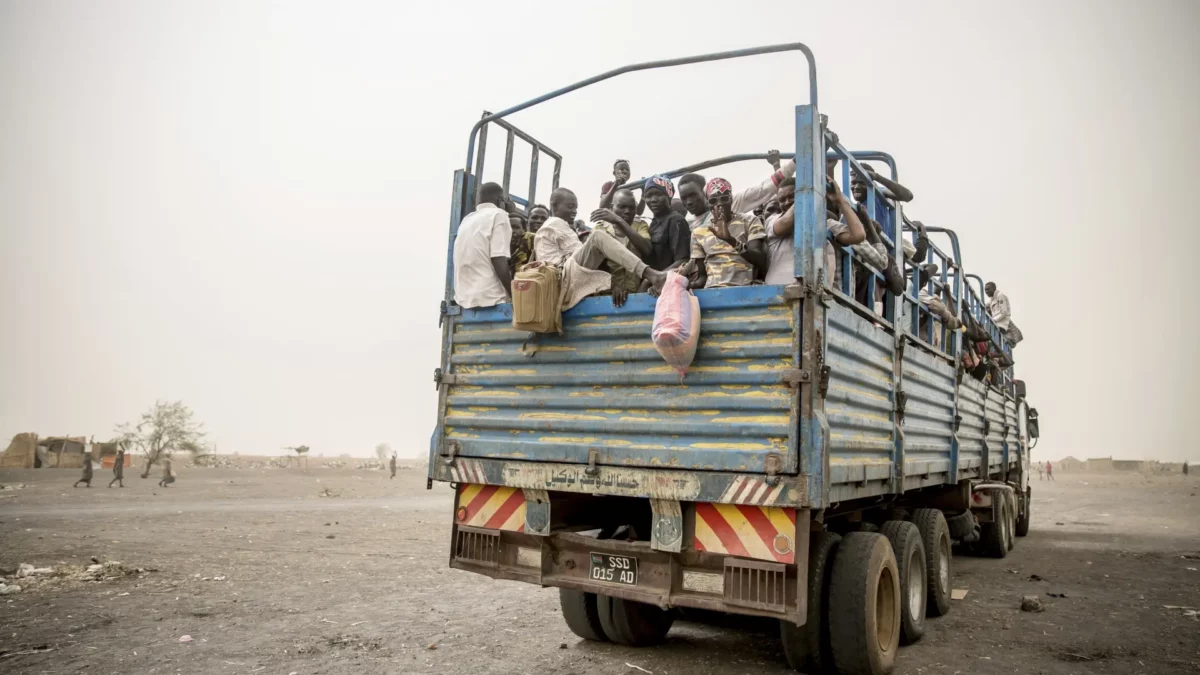
Refugees and displaced individuals are particularly vulnerable to CRSV, abduction, and trafficking. Sudan is currently the world’s largest displacement crisis – according to the International Organization for Migration’s Displacement Tracking Matrix (DTM), there are an estimated 8,805,506 internally displaced persons and 4,441,570 returnees across Sudan. Refugees who have survived sexual violence are often left with nowhere to turn. Sudan’s corrupt legal systems, deteriorating bureaucratic structures, and the greater lack of support from the international community have prevented the reporting of these crimes, actively silencing victims and survivors alike- effectively hindering accountability for perpetrators.


Opening Remarks

The event opened with powerful remarks by world readers on the necessity of combating trafficking by armed and terrorist groups. 
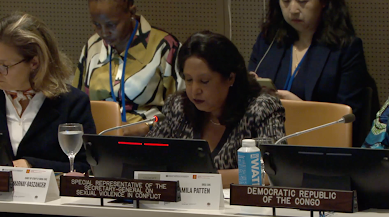
 

Notably, Pramila Patten – the UN Under-Secretary General and Special Representative on Sexual Violence in Conflict – opened by assessing the progress made in the decade since the resolution’s adoption.

Patten explicitly discussed the continued prevalence of sexual enslavement by armed groups across various regions in Africa and the Middle East, including Sudan.


Patten also emphasized the need to strengthen information collection and fact-finding missions, establish a legal framework to protect victims, persecute those responsible, and place pressure on perpetrators and their support systems through the implementation of sanctions. She further highlighted the need to focus on survivor experiences and reparations – a critical reform that DWAG has long advocated in favor of.

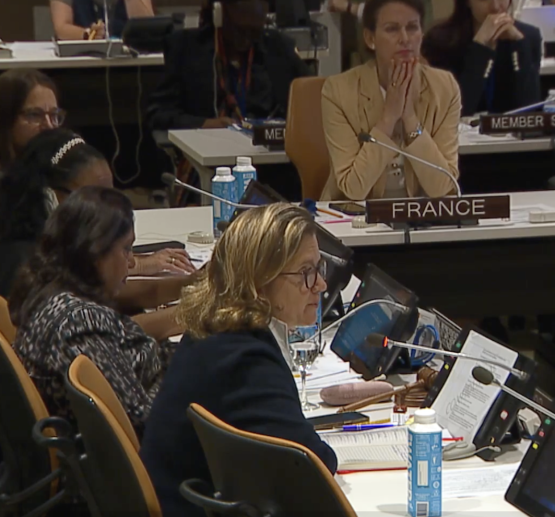
Other distinguished representatives from Denmark, Latvia, and France gave remarks, which focused on impunity, invisibility, and institutional fragmentation. These interventions by state parties underscore the need for stronger action and increased accountability for sexual violence and terrorist tactics.


A Panel Discussion of Experts on CRSV, Trafficking, and Terrorism – and the Interconnectedness of these Crimes 

The panel featured Matteo Pasquali from the UN Office on Drugs and Crime; Sheila Keetharuth, the Senior Women’s Protection Advisor at the UN Mission in South Sudan; Niemat Ahmadi, the Founder and President of Darfur Women Action Group; Sue Eckert from the Analytical Support and Sanctions Monitoring Team for UNSCR1526/2253; and Siobhán Mullally, a special reporter on trafficking of persons, specifically women and children, for the UNHCR Council.

Ahmadi spoke of Sudan as the worst example of conflict-related sexual violence and trafficking, with violence persisting for years, and rape, sexual slavery, and abduction against women and girls being well-documented since the recent conflict began in 2023. Bringing the realities of the daily life of conflict-affected women and girls in Sudan and those who live as refugees in the neighboring countries.

“There are reports of multiple cases where women have been trafficked or held captive for sexual slavery or forced marriages, but they cannot report because they are vulnerable and have no adequate protection, and they don’t know where to turn,” Ahmadi stated during her powerful speech.
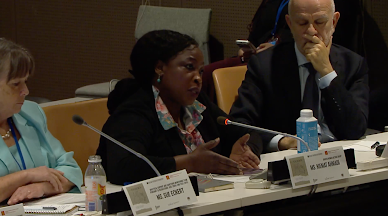


“This situation has continued with a lack of accountability. Perpetrators are emboldened…It is not terrorist groups who are doing this, but it is an act of terrorism. And until we treat it as such, it will continue to be perpetrated with impunity.”        -Niemat Ahmadi


Collectively, the panelists agreed that the systemic nature of trafficking and CRSV is not being acknowledged as an international crime. They recognized that, although frameworks and documents exist, effective implementation must be enacted. 

The panelists call for more information and engagement between NGOs and member states, and member states must bring this information forward. They highlight the importance of finding links between incidents to best utilize and implement UN resolution frameworks. 


The Institutional Problem: Accountability Gaps

Ms. Ahmadi and her fellow panelists identified numerous gaps in the existing United Nations legal frameworks and systems of investigation. CRSV is a systemic process that is demonstrated by patterns and circumstances on the ground. The process of abduction, prolonged captivity, repeated abuses, forced marriage, and sexual slavery is systematic. While CRSV is recognized as an international crime based on existing UN frameworks, interrelated trafficking processes have yet to be recognized as such. These crimes cannot be effectively combatted with a legal framework that recognizes these acts as isolated incidents. Experts have confirmed that trafficking processes share various parallels with those of CRSV. They have emphasized the need to recognize the correlation between these crimes so that accountability frameworks can be expanded, strengthened, and made cohesive. 

The State Representatives, distinguished guests, and panelists in attendance agreed and reinforced a point raised by Ms. Ahmadi, which emphasized increasing protection, documentation, and accountability on these issues as a matter of ensuring quick, flexible, and increased funding for affected communities. As women are the most affected by this issue, women-led organizations and survivors must be prioritized and taken into genuine consideration. International politics and relations have routinely dismissed the insights of women, and we cannot expect sufficient change if the international community remains reluctant towards female-led initiatives.

The panel and the side event demonstrated that despite the gaps in addressing this issue, there is a commitment among member states, CSOs, and experts. However, there is still an urgent need for increased coordination and the mobilization of resources to ensure steps are being taken to achieve collective action and accountability. DWAG recognises the challenges and the gaps in addressing these issues in Sudan. We remain determined in our efforts to ensure the voices and experiences of women in Sudan are being prioritized and included in such relevant forums. Ms. Ahmadi and the DWAG team will remain a committed and outspoken voice in respect to this issue.


For those interested in revisiting the event, here is a link to the recording of the event: High-Level Side Event on the Occasion of the Security Council Open Debate on Conflict-Related Sexual Violence | UN Web TV


Please visit DWAG’s website for urgent actions that you can take today to prevent genocide.

Contact us at policy@darfurwomenaction.org
A World Without Genocide


At DWAG, we believe ending and commemorating genocide can’t be limited to commemoration. It needs serious action on protection, prevention, and accountability.


Link to video


24 April 2026

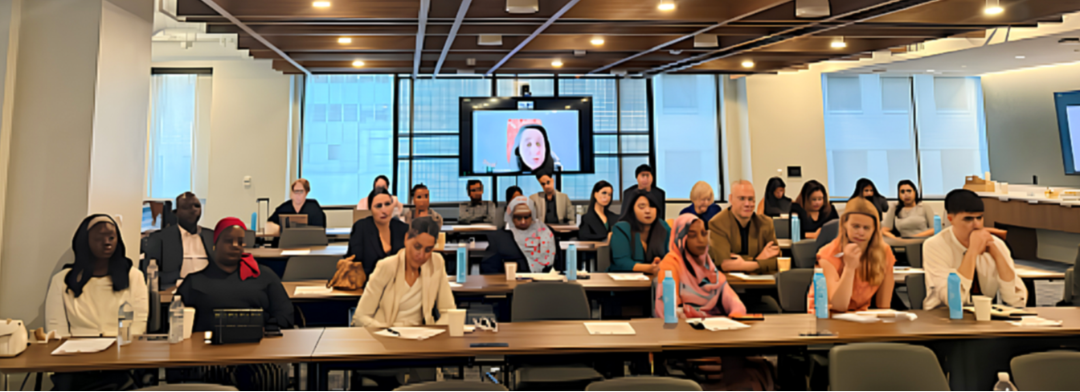
Darfur Women Action Group (DWAG) hosted an event on Sudan on April 24, 2026, in Washington DC to mark Genocide Awareness and Prevention Month. It co-hosted the event with No Business with Genocide, Genocide Watch, Alliance Against Genocide, and United Nations Association – National Capital Area. Titled “A World Without Genocide: The Case of Sudan”, the event brought together survivors, experts, policymakers, and advocates to address the urgent failures that allow genocide to persist.


Opening Reflection


The event opened with remarks from Bridget Moix, General Secretary of the Friends  Committee on National Legislation (FCNL) and DWAG board member, who reflected on her years of advocacy during the Darfur genocide. She noted that many advocates have spent decades working to push governments and institutions to respond more meaningfully to atrocities. Her reflections also underscored a difficult reality: while attention rises and falls, communities living through genocide and mass violence continue to carry the consequences long after headlines disappear.


Survivors Speak: Sudan and Burma, Twenty Years Later

The first panel centered on survivor advocates’ experience and expertise, featuring DWAG president Niemat Ahmadi, Myra Dahgaypaw, and moderator Quscondy Abdulshafi. Dahgaypaw, who works with the Unitarian Universalist Service Committee (UUSC), witnessed the Burma genocide. Quscondy Abdulshafi, who co-founded the Darfur Students Movement against the genocide in Darfur in the early 2000’s, has long worked on governance, democracy, and human rights in Africa and the US. Rather than speaking about genocide as a policy issue, the panelists discussed what it means to flee violence, rebuild in exile, and watch the same patterns of atrocity repeat.

Dahgaypaw said displacement, fear, and military violence continue to shape daily life in Burma (Myanmar) decades after she fled. She noted that genocide does not end when media attention fades or when policymakers move on. Its effects continue through trauma, lost education, fractured communities, poverty, and generations of families forced to live without safety or stability.


Abstraction is what allows the world to look away.”

Myra Dahgaypaw


Ahmadi spoke about fleeing Darfur more than twenty years ago. She promised the women, neighbors, and family members who helped her leave that she would continue fighting for Darfur and would not allow their stories to be forgotten. She described building DWAG from that promise, despite uncertainty and displacement, and the pain of watching Darfur once again descend into mass violence after communities were denied meaningful peace, justice, or protection following the genocide of the early 2000s.

Abdulshafi described the emotional burden carried by the Sudanese communities now watching crimes unfold in real time through phones and social media. For the diaspora, atrocities are not distant headlines but intimate losses: videos of destroyed neighborhoods, assaulted civilians, and missing relatives circulate in family networks and community groups.

Behind every statistic, panelists emphasized, are families uprooted, women subjected to violence, children denied schooling, and communities stripped of dignity. A central lesson of the panel: recognition alone is not enough. Naming genocide without dismantling perpetrators’ power, protecting civilians, and ensuring accountability creates the conditions for future atrocities.


Policy, Accountability, and Gaps 

The second panel turned to strategy and solutions, featuring Mike Brand, D. Wes Rist, and Dr. Gregory Stanton, moderated by Mona Ali Khalil.

A major theme of the discussion was the disappointing erosion of atrocity prevention capacity within governments and multilateral systems in the last few years. Rist reflected on his time at the U.S. Department of State, which used to have dedicated Sudan teams focusing on civilian protection, early warning analysis, gender-responsive policy, and disability inclusion. The disappearance of these specialized spaces reduces governments’ ability to respond before violence spirals.

Brand focused on the costs of impunity. He argued that many of the atrocities unfolding in Sudan today cannot be separated from the lack of accountability for earlier crimes in Darfur, South Kordofan and Blue Nile. When perpetrators remain armed, politically connected, or internationally tolerated, cycles of violence are allowed to regenerate. Delayed justice, the panel emphasized, is not neutral; it carries consequences such as impunity.

Stanton said prevention is not only about punishment after crimes occur. It requires building political cultures that reject dehumanization, investing in women’s leadership and civil society, and confronting hate before it escalates into organized violence.

The discussion also examined how grassroots organizations are increasingly expected to fill the vacuum left by failing institutions. Local civil society groups are asked to document abuses, support survivors, provide evidence to investigators, advocate internationally, and sustain communities under siege often while facing shrinking funding and limited access to decision-making spaces. 

The panel noted that institutions matter, but pressure matters too. Citizens can help by advocating for stronger foreign policy attention to atrocity risks, pressing elected officials to support sanctions and civilian protection measures, funding credible grassroots organizations, demanding enforcement of existing laws, and refusing to treat genocide prevention as a niche issue reserved for experts.


Ahmadi’s Closing Message: Survivors Are Not Passive

Ahmadi closed the event by challenging the tendency to view those impacted by genocide only as victims or survivors.

Instead, she urged the audience to recognize them as leaders, experts, and agents of change.


“Ending genocide cannot happen without empowering the people facing genocide. The killing, displacement, and violence is the last stage of genocide. If the survivors and civilians are directly involved in prevention approaches, legislative, and accountability mechanisms, the last stage of genocide will never be reached.”

Niemat Ahmadi


She emphasized that survivor-led advocacy is not only important in principle, but it has also already driven real change. From grassroots organizing that helped bring global attention to the Darfur genocide in the early 2000s, to sustained advocacy that contributed to international investigations, sanctions, and arrest warrants against perpetrators, survivor voices have consistently played a critical role in pushing institutions to act.

Her message was clear: meaningful change does not come from outside actors alone—it is driven by those closest to the crisis, when they are given the platform, resources, and power to lead.


Looking Forward

The event was a reminder that remembrance alone is not enough. If Genocide Awareness and Prevention Month is to have meaning, it must inspire earlier action, stronger accountability, and greater investment in those already leading from the frontlines. For those interested in revisiting the event, here is a link to the recording of the event: A World Without Genocide: The Case of Sudan

Please visit DWAG’s website for urgent actions that you can take today to prevent genocide.


Also, visit our co-sponsors’ website to keep up with their fight against genocide at https://www.nobusinesswithgenocide.org/

https://www.genocidewatch.com/

https://www.against-genocide.org/

https://www.unanca.org/

Contact us at policy@darfurwomenaction.org
DWAG would like to thank Humanity United for providing resources to support this event. 

The Darfur Women Action Group is deeply alarmed by the latest wave of violence, repression, starvation, and destruction that is unfolding across Sudan. Recent reports tell of a country being dragged further into catastrophe: civilians killed and displaced by drone strikes and fighting; hospitals and health centres forced out of service…

Sudan’s Escalating Atrocities Demand Urgent Protection, Humanitarian Access, and Accountability

5th May, 2026

Washington, DC – The Darfur Women Action Group is deeply alarmed by the latest wave of violence, repression, starvation, and destruction that is unfolding across Sudan. Recent reports tell of a country being dragged further into catastrophe: civilians killed and displaced by drone strikes and fighting; hospitals and health centres forced out of service; detainees reportedly executed or held without protection; food aid at risk of being cut as famine deepens; farms and food systems destroyed; and journalists threatened for revealing the truth. These aren’t isolated incidents. They are part of the same deliberate pattern of mass atrocities and genocidal violence that Sudanese civilians have suffered since war broke out in April 2023, and that communities, particularly in Darfur, have endured for over 20 years.

Despite mounting and undeniable evidence, Sudanese civilians, especially women, children, displaced families, journalists, health workers, and marginalized communities, continue to be denied the most basic protections under international law. DWAG wishes to remind the international community that in the face of horrifying atrocities and grave violations of this magnitude, they must move beyond statements and letters of concern and take urgent, coordinated action to protect civilians, secure unfettered humanitarian access, hold perpetrators accountable, and end the culture of impunity that continues to fuel genocide and mass atrocities in Sudan.

Civilians Caught in Crossfire and Violence

As drone strikes and armed clashes escalate, civilians in Blue Nile, White Nile, Omdurman, and Kordofan are once again bearing the brunt of this conflict between two armed forces. A drone strike in the Blue Nile’s Balila area killed 10 civilians and injured 20 others, mostly women and children, Radio Dabanga reported. In the meantime, the fighting has displaced tens of thousands from Kurmuk, Qaysan, and nearby areas. Markets, sources of water, homes, and other civilian infrastructure have also been damaged, it said. These attacks are more than battlefield incidents. They are tearing families apart, destroying communities, and cutting people off from the essential systems they need to survive. DWAG utterly condemns the targeting and reckless endangerment of civilians and calls for an immediate halt to attacks on populated areas, demilitarization of civilian inhabited areas to enable safe humanitarian access, and accountability for all violations against civilians.


Famine Deepens as Aid Faces Collapse and Restriction

Sudan’s hunger crisis is reaching catastrophic levels while life-saving aid is at risk of being cut. The World Food Programme has warned that more than 21 million people in Sudan face acute hunger after more than 1,000 days of war, and that severe funding shortages could force aid cuts within weeks. Rations have already been reduced to the minimum needed for survival, even as nearly 12 million people have been displaced, and malnutrition among children, pregnant women, and breastfeeding women continues to rise. The use of Starvation is a crisis of global magnitude that requires global coordinated and collective action to respond to it to provide lifesaving assistance granted by international laws. DWAG calls on donors to urgently close the funding gap and demands that all parties guarantee safe, sustained, and unhindered humanitarian access to famine-affected and hard-to-reach communities.

Sudan’s Free Press Under Threat

At DWAG, we are further profoundly concerned by the increasing attacks on press freedom in Sudan and the right of the Sudanese people to know the truth regarding the war being waged against them. The country ranks 161st out of 180 nations in the 2026 World Press Freedom Index, having seen multiple incidents of aggression, censorship, and threats directed at the country’s journalists and media personnel over the years. Such censorship is now being further strengthened by an order from the government that demands all media organizations to legalize their operations by June 1, 2026, or else be prosecuted. In a war that involves countless crimes against humanity, the displacement of millions of citizens, rape, starvation, and other forms of brutality against civilians, the silencing of journalists should never be treated as a minor issue since it is merely another aspect of the war itself. In order for atrocities to be kept secret, witnesses of these atrocities are removed from the public eye, and those who have committed such atrocities are empowered to continue their reign of terror.

Sudan’s Breadbasket Scorched by War

The crisis in Sudan has not only ignited violence and destruction, but it has also destroyed farmland and agricultural infrastructure. Therefore, it is equally crucial to note that this war, while contributing to the loss of life, has further destroyed livelihood and other survival means, including land and infrastructure that sustain people’s livelihoods in less conflict-affected areas. A report by Al Jazeera with the help of satellite images reveals how the war in Sudan has destroyed the country’s central “breadbasket” regions, which include Gezira, Sennar, and Khartoum. The fertile lands are no longer producing crops because the irrigation infrastructure is severely damaged, the seed stores and grain silos are robbed, the cost of fertilizers is raised, and farmers have no choice but to evacuate. One such report states that in Gezira, which is an extremely significant agricultural region in Sudan, wheat production was reduced by 58 percent following the occupation of Wad Madani by RSF in December 2023. This destruction worsens food insecurity, which was already in effect for many who are already facing the imminent threat of famine, displacement, and death in silence.

The latest developments in Sudan show a country being pushed deeper into catastrophe every day while the world continues to move too slowly. Civilians are being killed and displaced, detainees are at risk of execution and abuse, farms and food systems are being destroyed, aid is running out, and journalists are being silenced. These are not separate crises; they are systemic and deliberate policy of extermination of civilians and elimination of survival means, creating atrocity emergencies that the world must treat with urgency and respond with serious measures. DWAG calls on the United States, the United Nations, the African Union, the European Union, and all relevant international actors to act with urgency, responsibility, and moral conscience to take the following steps.  

DWAG calls for:

  • Immediate protection of civilians and an end to all attacks on homes, markets, hospitals, farms, water sources, and other civilian infrastructure.
  • Safe, sustained, and unhindered humanitarian access to all affected communities, especially famine-affected areas, displaced populations, and communities trapped in active conflict zones.
  • Increased and Urgent donor funding to prevent further cuts to food aid, health services, nutrition support, and emergency relief for women, children, and displaced families.
  • Accountability for all atrocities and violations, including attacks on civilians, arbitrary detention, extrajudicial killings, obstruction of aid, destruction of food systems, and attacks on journalists.
  • Protection of Sudanese journalists and independent media, whose reporting is essential to exposing abuses, preserving survivors’ voices, and preventing perpetrators from hiding behind silence.

For inquiries, please contact: policy@darfurwomenaction.org
For more resources and to find ways in which you can help, go to: www.darfurwomenaction.org

Genocide Awareness and Prevention Month: A Time to Act

April 15 marks three years since the outbreak of the war in Sudan. Since violence erupted in April 2023 between the Rapid Support Forces (RSF) and the Sudanese Armed Forces (SAF)…

Genocide Awareness and Prevention Month: A Time to Act

24th April, 2026

April marks Genocide Awareness and Prevention Month, a time to remember the victims and survivors of some of the darkest chapters in human history, and to reflect on our collective responsibility to ensure such atrocities are never repeated.

From Rwanda to Armenia to Cambodia to Darfur, the world has witnessed unimaginable violence against targeted communities. These were not inevitable tragedies. They were preventable. And yet, time and again, they unfolded in the face of delayed action, political hesitation, and a failure to act when it mattered most.

We remember the lives lost in the Holocaust, the Armenian genocide, the Rwandan genocide, and the genocide in Darfur. These are not distant events confined to the past. They are warnings of what happens when hatred is normalized, when early signs are ignored, and when the international community looks away.

Today, those warnings are once again unfolding before our eyes.

Nearly three years since the start of the war in Sudan on April 15, 2023, civilians continue to face mass atrocities, including targeted violence, displacement, and widespread sexual violence. In Darfur, patterns once recognized as genocide are re-emerging. This is not happening in a vacuum; it reflects the failure of longstanding international commitments, from the Genocide Convention and the Responsibility to Protect doctrine to Sudan-specific peace agreements and repeated UN Security Council resolutions, to translate into meaningful protection on the ground. Since the capture of El Fasher by the RSF in October 2025, they have committed mass killings, systematic sexual violence, and targeted ethnic killings, showcasing hallmarks of genocide confirmed by the UN FFM.

Genocide does not happen overnight.
It begins with dehumanization, exclusion, and impunity.
It escalates when those responsible are led to believe there will be no consequences.

Prevention, therefore, cannot be symbolic. It requires early action, sustained attention, and the political will to prioritize protection over indifference. Real genocide prevention means investing in early warning and early response systems that identify risks before violence escalates. It means supporting research, documentation, and evidence that can expose warning signs and guide action. It means listening to and involving civil society leaders and the diaspora community to heed their warning and advice, stemming from lived experiences. It means strengthening accountability mechanisms so perpetrators know there will be consequences.

A failure to follow genocide prevention measures in the past has resulted in signals of impunity, as armed actors have maintained their power, and civilians have remained unprotected. A glaring example of this is the Darfur Genocide in 2004. In the years that followed, ceasefire agreements were repeatedly violated, the 2006 Darfur Peace Agreement and later the 2011 Doha Document were only partially implemented, and key provisions on disarmament, restitution, and the safe return of displaced communities were never fully realized. Civilian protection remained inadequate despite the deployment of the African Union-United Nations Hybrid Operation in Darfur, while ICC arrest warrants against senior officials went unenforced for years. Rather than being dismantled, Janjaweed networks were absorbed into state security structures and later evolved into the Rapid Support Forces, while many perpetrators continued to wield political and military influence. The result was not justice or durable peace, but entrenched impunity, and it laid the groundwork for renewed atrocities that we see today.

As we mark this month, remembrance alone is not enough. Honoring victims means standing with those at risk today. It means listening to survivors, supporting those on the frontlines, and ensuring that accountability is not delayed or denied.

For Sudan, this moment demands urgency. It demands protection for civilians, meaningful humanitarian access, and credible pathways toward justice. It also requires recognition of the critical role Sudanese women and civil society continue to play, often under impossible conditions, in sustaining communities and advocating for peace.

As part of this commitment, Darfur Women Action Group, in partnership with No Business with Genocide, Genocide Watch, United Nations Association-National Capital Area and the Alliance Against Genocide, convened “A World Without Genocide: The Case of Sudan” on April 24, 2026. This event served as not only a space for remembrance but a forum for accountability and reflection, bringing together survivors, advocates, and policymakers to confront the failures that have allowed genocide to occur and persist, and to identify concrete paths forward. 

At Darfur Women Action Group, we reaffirm our commitment to amplifying these voices and advancing a world where genocide is not only remembered but prevented.

Because the question before us is no longer whether we understand the risks.
It is whether we are willing to act.

For inquiries, please contact: policy@darfurwomenaction.org
For more resources and to find ways in which you can help, go to: www.darfurwomenaction.org


Centering Sudanese Women on the Global Stage: DWAG at CSW70

Darfur Women Action Group (DWAG), led by President and Founder Ms.Niemat Ahmadi, made an impactful return to the 70th session of the Commission on the Status of Women (CSW70), held at the United Nations Headquarters in New York in March 2026…


Centering Sudanese Women on the Global Stage: DWAG at CSW70

April 6th, 2026

Darfur Women Action Group


Darfur Women Action Group (DWAG), led by President and Founder Ms.Niemat Ahmadi, made an impactful return to the 70th session of the Commission on the Status of Women (CSW70), held at the United Nations Headquarters in New York in March 2026. This event, held annually, brings together thousands of global leaders, policymakers, civil society organizations, and activists to advance gender equality and women’s rights worldwide. Since Sudan faces one of the world’s most devastating humanitarian and protection crises, with Sudanese women bearing the heaviest burden, DWAG’s participation at CSW70 was a critical representation.


DWAG’s Presence: Advocacy, Convening, and Strategic Engagement

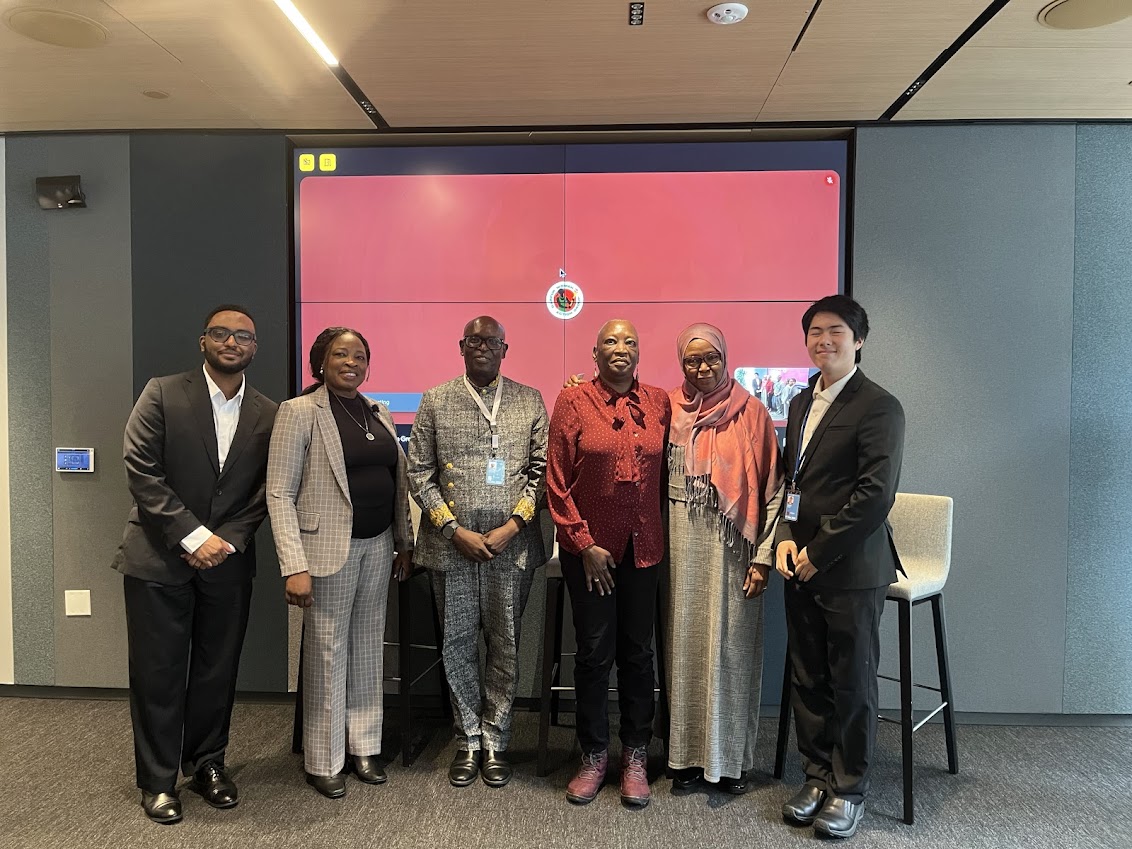
DWAG’s participation at CSW70 was multi-layered, encompassing the many different aspects of Sudanese women’s struggles in the conflict. The week started with WAG hosting the event “Just Empowerment: Applying Holistic Justice for Women’s Protection and Empowerment.” It addressed amplifying Sudanese women’s leadership in fighting for justice, lived realities, and policy priorities. This event put forward a new Holistic Justice framework, a model that goes beyond legal processes to encompass protection, psychosocial support, physical justice, psychological and moral justice, economic empowerment, community restoration, and political participation for survivors. The event included real-life accounts, shared struggles, and insightful recommendations from speakers Behar Ali, Amel Ibrahim, Sadya Eisa Dahasb, Salwa Elsadik, Niemat Ahmadi, and Zeinab Eyega, women with decades of expertise and experience on these issues. The director of UN Women Sudan, Mr. Salvator Nkurunziza, delivered a remarkable keynote and commended DWAG delegates for organizing such an exceptional event and for keeping Sudanese women’s plight in the spotlight. 

DWAG team members hosting CSW 70 event, “ Just Empowerment: Applying Holistic Justice for Women’s Protection and Empowerment”

Ms.Elsadik strongly emphasized that the protection of women is particularly important, but increasingly critical to have different protection mechanisms for women living with disabilities. Telling the story of a woman living with disability who was raped, but she couldn’t identify the perpetrator because she is blind, noting that if there were policies in place, she shouldn’t have been put in a group shelter that doesn’t address or support her needs as a vulnerable woman. She called for humanitarian organizations to strictly follow the policy, protocols, and safeguarding policies in dealing with such cases.

The presentations were profoundly moving, emphasizing the courage and leadership of both Sudanese and Kurdish included the forgotten plight of women living with disability and the unique struggle they face, which ompelled many among articipants the room and online to reach out to Ms. Ahmadi to reflect on the importance of the session, the topics, noting  DWAG’s dedication and expressing their readiness to support DWAG’s work in any way possible. For example, an offer from a practitioner to provide psychosocial support services, both through one-on-one and group counseling for Sudanese women affected by the conflict, reflects the importance of continuing to talk about all aspects of a humanitarian response.


Key advocacy meetings and Outcomes

DWAG CSW70 is uniquely powerful because it happened at a time when many women were unable to travel to the US to attend this event which means their absence but DWAG made it possible to host an online event that enabled women from Sudan, Iraq and other parts of the world to be online and puts civil society in the same building, sometimes the same room, with the people who shape global policy. DWAG made the most of that proximity. Over the course of the week, Ms.Ahmadi and the DWAG team engaged in a series of high-impact meetings that moved well beyond strong words and writing into concrete actions and defined next steps. 

DWAG coordinated a delegation of women leaders, including DWAG president, Ms. Niemat Ahmadi,  Ms.Salwa Elsadik of WADI, and Ms.Zeinab Eyega of Sauti Yetu, who met with policymakers from member states of the UN, including Denmark, the UK, and Swedish missions, and the UK special envoy for WPS: Her Royal Highness Sophie, the Duchess of  Edinburgh. The Duchess and her envoy have committed to amplifying the voices of women and advocating for effective participation in decision-making, including in the peace and justice process.

A cornerstone of the week was a conversation with UN Women’s Deputy Executive Director Madame Nyaradzayi Gumbonzvanda and her team. Ms. Ahmadi, Ms. Elsadik, and Ms. Eyega raised some of the concerns, including the exclusion of women in the humanitarian space: the disconnect between large funding mechanisms and the frontline women-led organizations actually delivering lifesaving services. DWAG delegation emphasized that, despite being the first and often only responders in their communities, grassroots actors are routinely locked out from funding resources by systematic barriers, which range from the inability to present a pristine application to the often unfair selection processes of these grants. UN Women acknowledged these structural challenges and expressed a strong interest in deepening collaboration with DWAG. UN Women also invited DWAG to participate in a joint high-level event with the African Union, where Ms.Ahmadi made the case that stronger AU leadership is crucial at this stage.

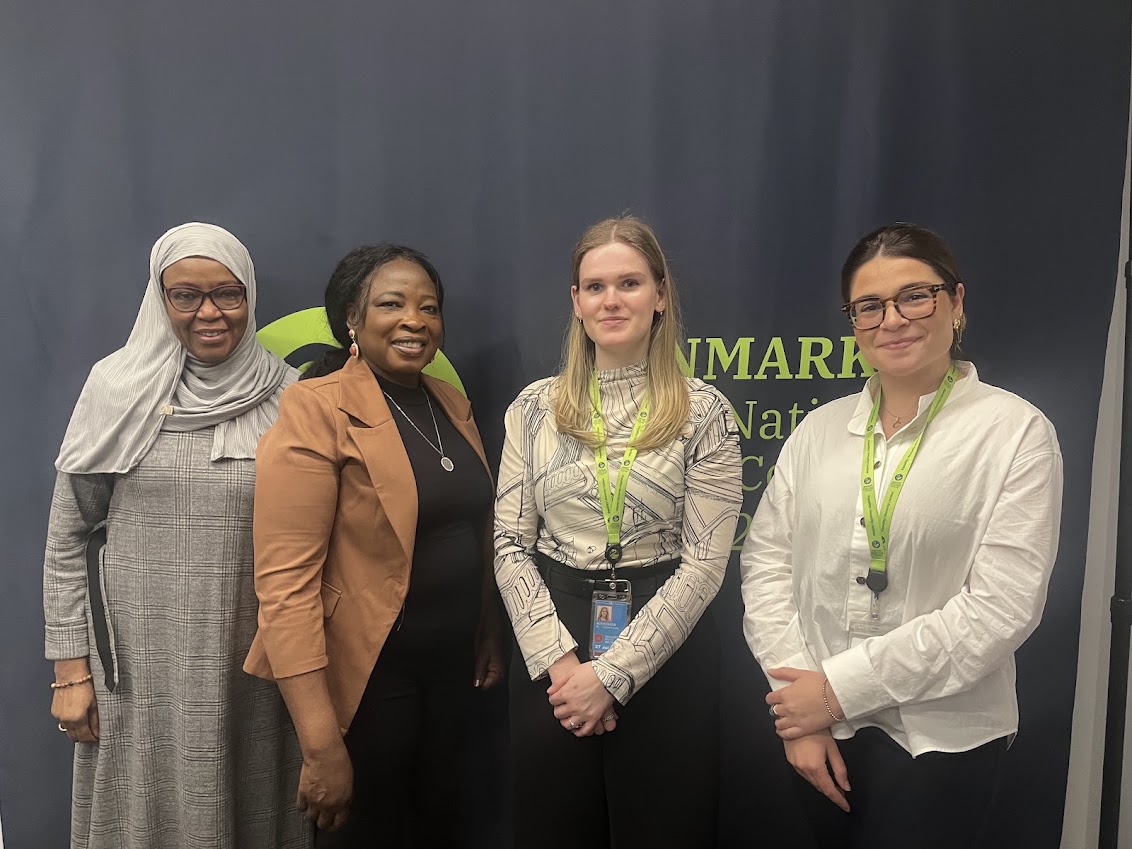
DWAG delagation members meeting with policy advisors from the Denmark Mission to the United Nations

At the Denmark Mission, Ms.Ahmadi and Ms.Elsadik met with Senior Policy Advisors Katherine Kjær Sørensen and Carla Galea, DWAG shared urgent updates from the ground, mass atrocities in Darfur, the scale of sexual violence, the collapse of essential services, while driving home the point again: Sudanese women are not only the most impacted, they are the primary responders. The meeting also surfaced a deeply troubling development in the past year of funding cuts, which have forced women-led organizations to suspend critical services, including survivor support and human rights documentation, at the exact moment when the need is most acute. The Denmark Mission was engaged and eager to maintain the dialogue, and DWAG is following up on opportunities to connect with Danish partners working on the ground in Sudan.

At the UK Mission, DWAG’s delegation met with Her Royal Highness the Duchess of Edinburgh to share firsthand insights on what women in Sudan are living through. Rather than a diplomatic exchange, the conversation turned to practical pathways, targeted funding, stronger inclusion of Sudanese women in humanitarian planning, and what meaningful UK support could actually look like on the ground.

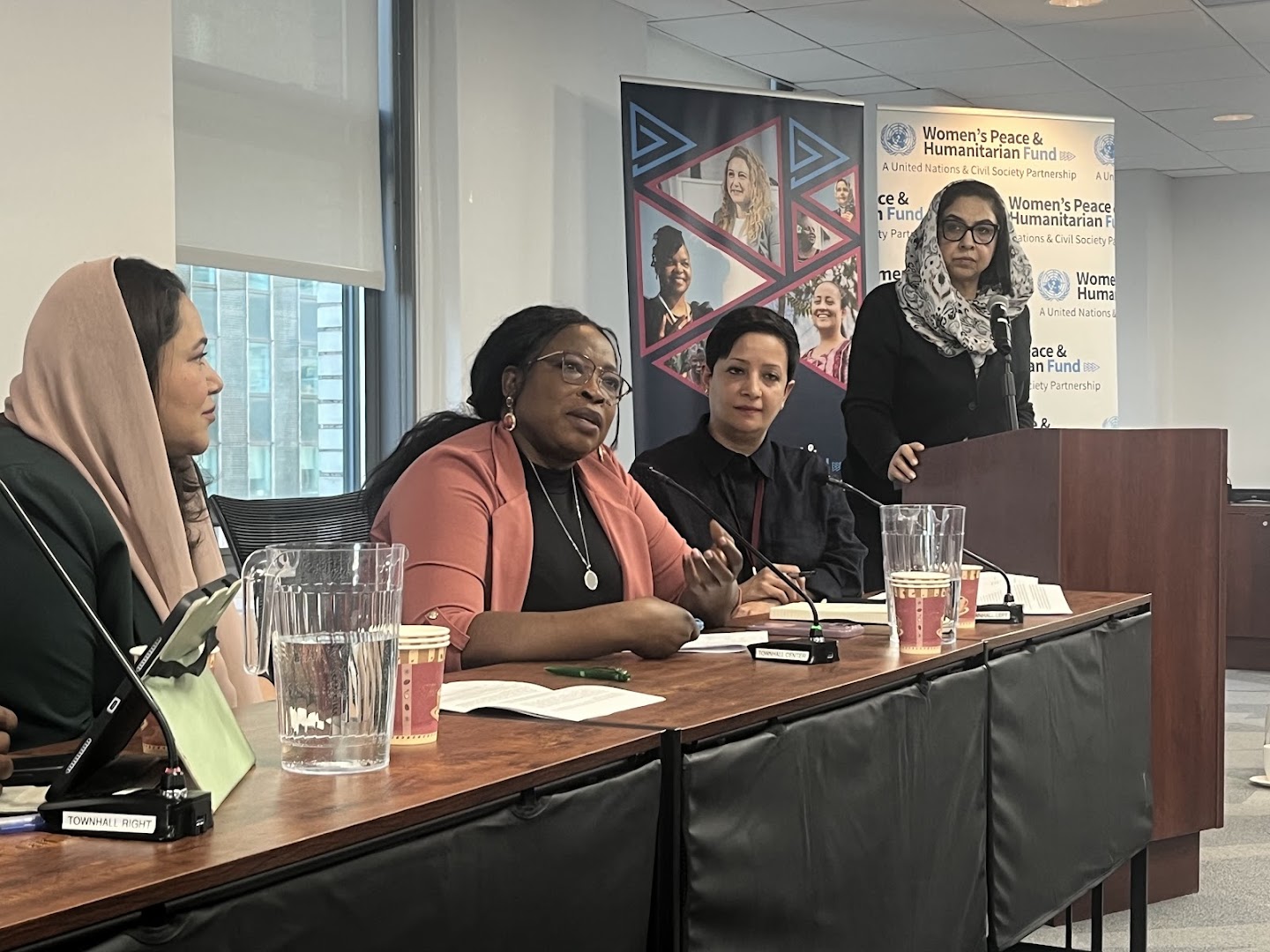
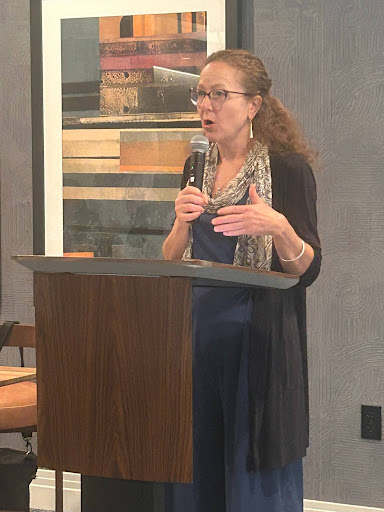
DWAG President Ms.Niemat Ahmadi delivering remarks at the WPHF event: “Accessing Justice and Promoting Accountability at the Frontlines”

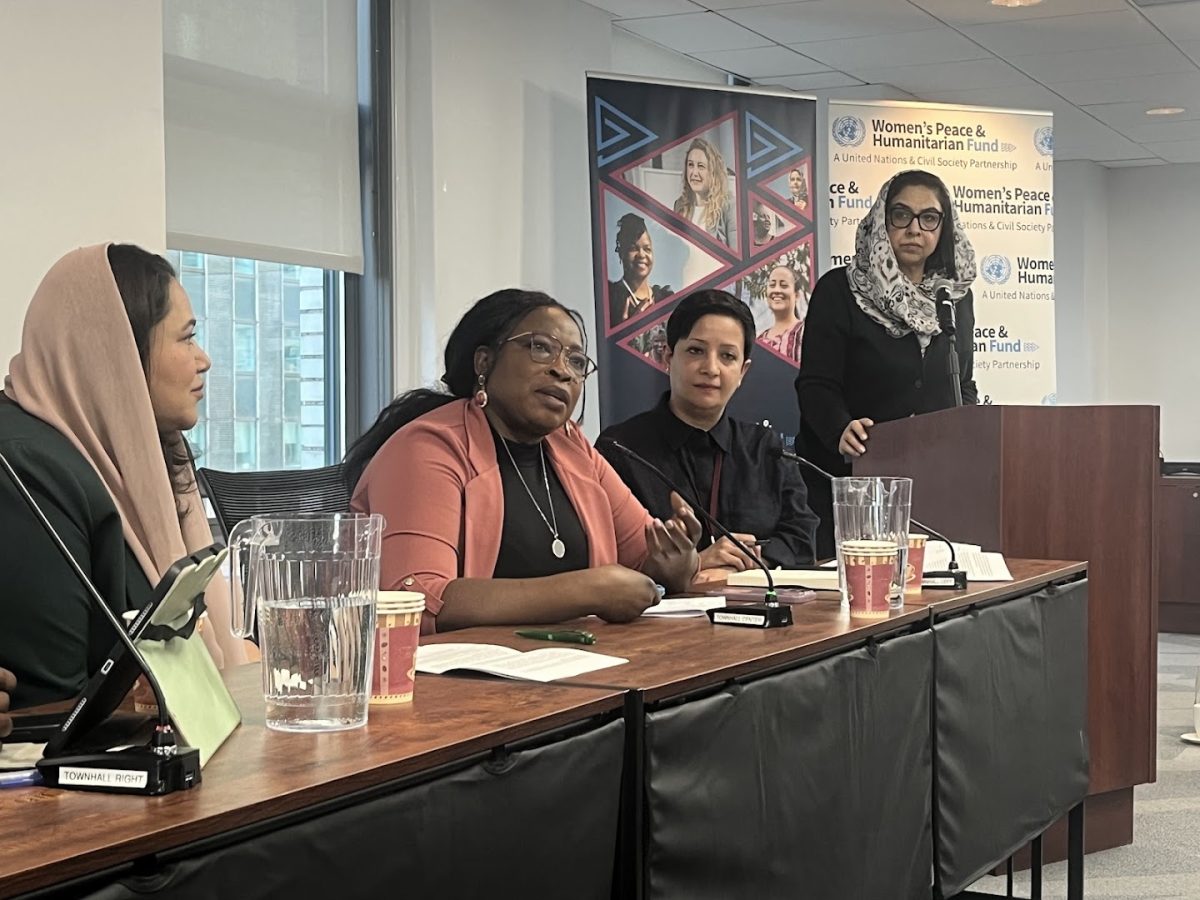
Ms.Ahmadi also joined a high-level panel as a speaker, organized by the UN Women Peace and Humanitarian Fund (WPHF) event, “Accessing Justice and Promoting Accountability at the Frontlines,” a session that examined how rising authoritarianism and militarization are eroding the rights of women and girls, and whether the existing accountability mechanisms are up to the challenge. Her contribution drew from DWAG’s direct experience, touching upon the increasing threat and danger for Women Human Rights Defenders and the importance of making being a woman human rights defender attractive through the provision of protection and care, and opening up this space to future generations.

Rounding out the week were critical engagements with UN Secretary General representatives, Mr. Pekka Haavesto the UN personal envoy to Sudan. DWAG president expressed optimism, noting that Mr. Haavesto has an in-depth understanding of the context of Sudan stemming from his previous roles as EU commissioner during the early Darfur peace talks. And that he will make valuable contributions to the UN role in Sudan. Across all of these conversations, DWAG delegates carried a consistent and unrelenting message: calling for urgently opening humanitarian corridors,  civilian protection with emphasis on protection of women, holding perpetrators accountable, and that there must not be any negotiation of Sudan’s future without Sudanese women in the room.

Looking Ahead

The momentum generated at CSW70 presents important opportunities for follow-up and sustained engagement.

DWAG is now working to:

  • Strengthen relationships with UN Women and partners on the proposed Sudan advisory board.
  • Explore funding opportunities for sustaining DWAG signature peacebuilding dialogues like the Sudanese Women-centered peace and justice convening. 
  • Engage with donor governments, including potential participation in upcoming donor conferences.
  • Continue building partnerships to support Sudanese women on the ground.

DWAG delegation noted that DWAG participation came at a time when the organization and its partners are struggling to meet the needs of the affected communities. We underscore that the absence of the Sudanese women from these forums makes meeting those needs even more difficult. “Participating in the CSW70 is integral to DWAG’s mission and priority commitment of ensuring that the women of Sudan, Darfur, and other crisis situations have a strong voice on a global stage,” said Ms.Niemat Ahmadi, DWAG president. As DWAG continues this work, the message remains clear: meaningful progress in Sudan requires centering the voices, leadership, and expertise of Sudanese women.


International Women’s Day 2026: A Celebration of Resilience and a Commitment to Holistic Justice

To our supporters,

We at Darfur Women Action Group mark this International Women’s Day by honoring the resilience, courage, and unwavering resolve of Sudanese women who continue to fight for justice in the face of unspeakable atrocities. We celebrate the brave women of Sudan for their unmatched strength and determination as they continue to rise, aiding their communities to survive, fight for their rights, and persist amid genocide, war, sexual violence, and displacement; all while the world looks away.

The Plight of Women in Sudan

For nearly three years, Sudan has been engulfed in a devastating war between SAF and RSF, where systemic violence at the hands of the Rapid Support Forces (RSF) has occurred. Indiscriminate attacks by both sides have resulted in death, destruction, and the displacement of over 13 million innocent civilians across Sudan, deepening the suffering, particularly in historically conflict-affected regions of Darfur and Kordofan. Sexual and gender-based violence remains a defining feature of this war, with rape systematically used as a weapon of war.

Recent reports have brought these horrific crimes to the global stage. Both the UN Fact Finding Mission and the  UN panel of experts reported that women in Sudan have been subjected to rape, sexual slaveray, abduction, ethnically targeted rape, and forced marriages – all perpetrated with total impunity; no perpetrators have been brought to justice. Through the middle of 2025, DWAG has documented over 350 cases of rape and sexual violence and more than 160 cases of reproductive emergencies among displaced women in Darfur. Most survivors remain in dire need of medical treatment, trauma counseling, and psychosocial support. The collapse of health systems in besieged areas has left women giving birth in unsafe, unhygienic conditions, with maternal mortality rising sharply and emergency care virtually nonexistent.

 While UN experts have documented at least 330 cases of conflict-related sexual violence since the beginning of 2025 alone, this number doesn’t do any justice to the countless women whose plight has yet to come to light, as the real numbers are believed to be far higher due to underreporting and fear of retaliation. 

The violence knows no age; survivors include girls as young as seven and women as old as 85. Medical sources report that more than 400 women and girls, including minors, were subjected to sexual violence while fleeing from El Fasher to Tawila, with dozens of pregnancies among minors. Over 12 million women and girls now face what humanitarian officials describe as “a crisis within a crisis.” 

We are extremely dismayed that many survivors have yet to receive services, including medical treatment, trauma counseling, and psychosocial support, and have yet to be protected.

The Courage of Sudanese Women Amid Abandonment

Despite the systemic problems and the mounting risks they have had to endure, grassroots and women-led organizations continue to be the lifeline for their people. When the war erupted, and international aid agencies evacuated Sudan, it was the women of Sudan, alongside volunteers and civil society leaders, who stepped up lifesaving efforts. They became frontline humanitarian workers, going out every day to deliver aid, document atrocities, and continuously work towards bringing the world’s attention to Sudan. However, they cannot sustain this work much longer without meaningful support from the global community. 

The crimes against women in Sudan are crimes of global magnitude that require global solidarity and concrete action. Yet critical gaps remain: women and girls have no safe spaces or access to emergency services, perpetrators operate with complete impunity, and women remain excluded from important decision-making, whether it’s humanitarian or peace processes, despite their central role in sustaining communities. Legal accountability remains a far-fetched hope for millions of Sudanese, particularly in Darfur.  With the level of the atrocities in Sudan and its impact on women, pursuing criminal justice is of utmost importance; however, delayed accountability alone is not enough. Survivors cannot wait years for justice while they continue to face insecurity, stigma, and economic hardship. 

We believe justice for the victims and accountability for perpetrators must start in the field and at the start of the crises, not in the end. This is why DWAG has adopted the Holistic Justice Model, a comprehensive framework that extends accountability beyond the court system to include protection, psychosocial support, rights to recovery, redress, economic empowerment, community restoration, and political participation. Justice must be immediate, inclusive, and grounded in the lived realities of survivors.

DWAG’s Commitment and Our Upcoming Event

During this month, DWAG is taking multiple initiatives to recondition both the plight and the resilience of the women of Sudan. To do so this week, DWAG president will be taking part in the Commission on the Status of Women CSW in NY during which she will be speaking in various high-level panels, bring delegation of women leaders, and conducting advocacy meetings with member states to urge for protection and accountability for crimes committed against women in Sudan.  As part of our ongoing efforts to bring attention to Sudan, advocate for their rights, and most importantly, elevate its voices on the global stage.  DWAG, in partnership with Women Advocacy and Development (WADI) and EMMA Organization for Human Development, will host a hybrid panel discussion on “Just Empowerment: Applying Holistic Justice for Women’s Protection and Empowerment” on March 11, 2026, at 1:00 PM EST at Room 2E, 730 3rd Avenue, New York. This CSW70 parallel event will feature outstanding civil society leaders and frontline defenders from the US, Sudan, and Iraq, who will share field-based lessons, survivor-informed approaches, and policy recommendations for implementing holistic justice frameworks in conflict-affected contexts.

Join Us in Taking Action

This month, we invite you to join us in celebrating the heroic and resilient women of Sudan by standing in solidarity and taking concrete action to end their suffering.

What you can do to help:

  • Speak up- demand protections and accountability for perpetrators of crimes against women in Sudan
  • Support our One Million Voices for Sudan Campaign by resharing our posts on social media using the hashtags #MillionVoicesForSudan #EyesOnSudan #SpeakForSudan.
  • Donate to DWAG to help fund our efforts on the ground in Darfur and Sudan as a whole.
  • Register to attend our March 11th panel discussion on holistic justice for women.

In the face of devastating atrocities, we must not let the women of Sudan fight alone. We must stand up not only to show solidarity but actions. Through our collective effort, we can empower, educate, and support women to fight for their rights and seek justice. We believe the women of Sudan have the power, but we must create an enabling environment for them to exercise it and promote an inclusive approach that prioritizes their inclusion and effective participation in all interventions for delivering humanitarian aid to, pursuing accountability, and achieving a just and lasting peace.

Thank you for your continued support.

With gratitude,

Niemat Ahmadi, Founder and President of Darfur Women Action Group


Human Rights Watch Releases World Report 2025: Rights Trends in Sudan

Earlier this week, Human Rights Watch (HRW) released its 2025 World Report, examining human rights conditions in more than 100 countries around the globe. The chapter on Sudan covers the conflict between the Sudanese Armed Forces (SAF) and the Rapid Support Forces (RSF), the humanitarian crisis in Darfur, and human rights abuses across the country.

The report is available in English and Arabic on HRW’s website.

Watch: Statement on the SRSG-SVC’s 15-Year Anniversary

DWAG’s Founder and President, Niemat Ahmadi, spoke on the 15-year anniversary of the mandate of the Special Representative of the Secretary-General on Sexual Violence in Conflict (SRSG-SVC).  The office was established through a 2009 United Nations Security Council Resolution (SCR-1888).

You can watch Niemat’s statement on YouTube:

Visit the SRSG-SVC’s website to learn more

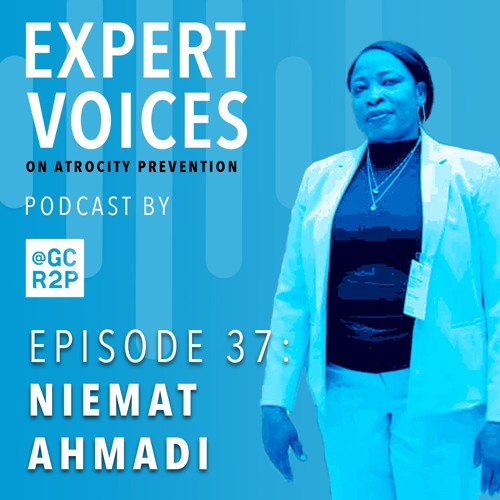
Expert Voices on Atrocity Prevention Podcast Episode 37: Niemat Ahmadi

DWAG’s Founder and President, Niemat Ahmadi, appeared on the Global Centre for the Responsibility to Protect’s Expert Voices on Atrocity Prevention podcast.

You can listen to Niemat’s episode on Apple Podcasts, Spotify, SoundCloud  and YouTube.

More information:
The podcast, hosted by Global Centre Director of Policy and Research Jaclyn Streitfeld-Hall, features one-on-one conversations with practitioners from the field of human rights, conflict prevention, atrocity prevention and other related agendas. These conversations aim to provide a glimpse of the personal and professional side of how practitioners approach human rights protection and atrocity prevention.